The Land She Can Only Work On: The Quest for Women to Own Land in Burundi
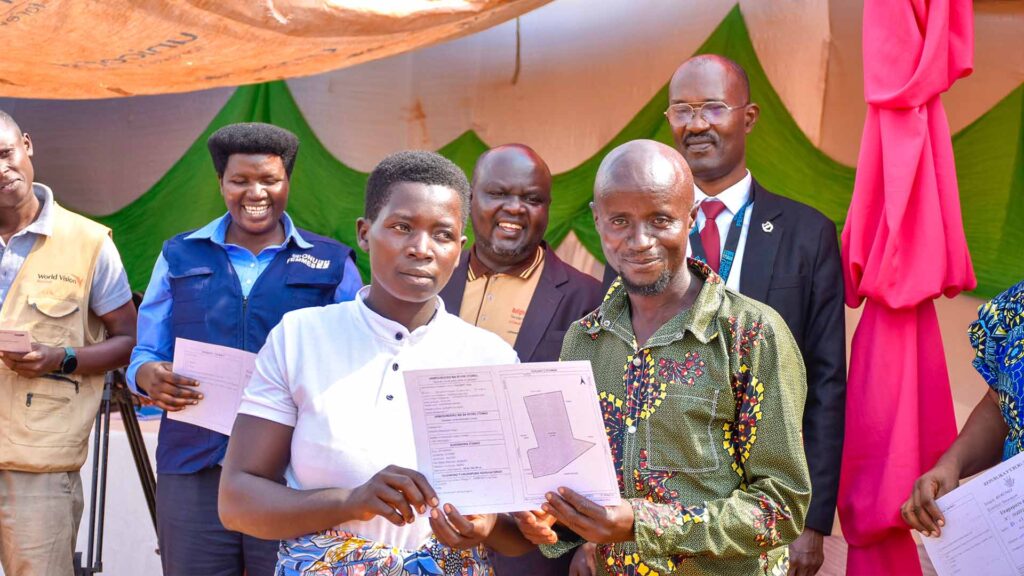
According to the International Fund for Agricultural Development (IFAD), over 90 percent of the Burundian population relies on Agriculture, and even though about 70 percent of these are women, societal norms and structural biases hinder them from accessing or having control over land, which affects their total potential.
The gap between policy and practice
Strikingly, according to SNV, Burundi’s land laws do not bar women from owning land titles; the 2018 Land Code and Article 122 of the Constitution, for example, were designed to ensure gender equality in land ownership.
However, customary law, fueled by societal gender norms, has instead dominated practice, barring women from owning land and putting women’s rights of ownership of family assets and decision-making in the hands of the male household head or family member. Under customary law. This double layer of exclusion continues to limit women’s abilities to make decisions about land use, benefit from its harvests, or invest confidently in her family’s future.
A work in progress
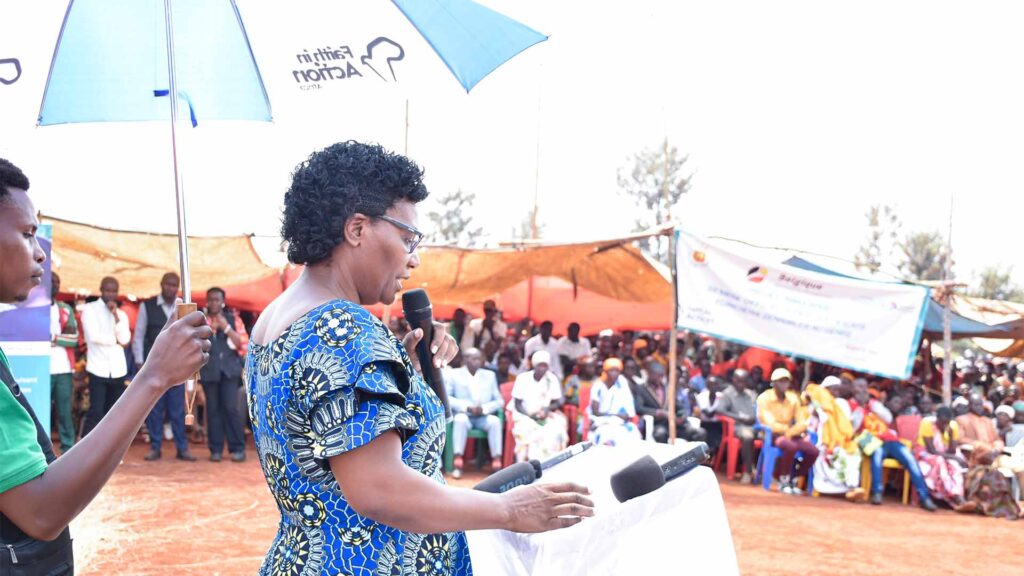
Last month, as part of Faith in Action Africa’s push toward gender-sensitive land certification, a team from the organization traveled to Burunga and Buhumuza across the Mugondo, Nyabitsinda, and Muhwazi zones of the Musongati and Gisuru communes for a working session with staff from the local land counters.
Land counter staff and Faith in Action Africa staff sat down together to map out what implementation actually requires: who needs to be reached, what the certification process demands on the ground, and how to make sure women are included on titles as a standard procedure, not as an exception someone has to request.
Through the RIWA WIHE Project, implemented in partnership with CICB and with support from UN Women, we are helping communities build more inclusive land governance by promoting gender-sensitive land certification. 404 households have since officially received their land certificates in Musongati and Gisuru communities. These certificates give Burundian rural women a foundation for security, dignity, and an opportunity to reach their potential.
What It Means When a Woman’s Name Is on the Title
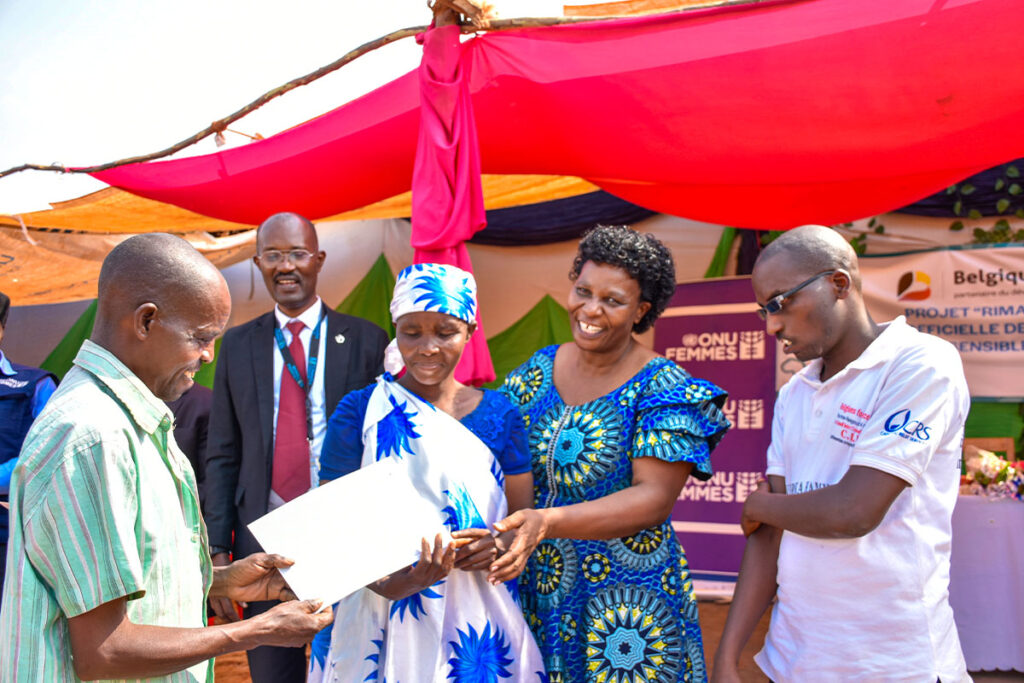
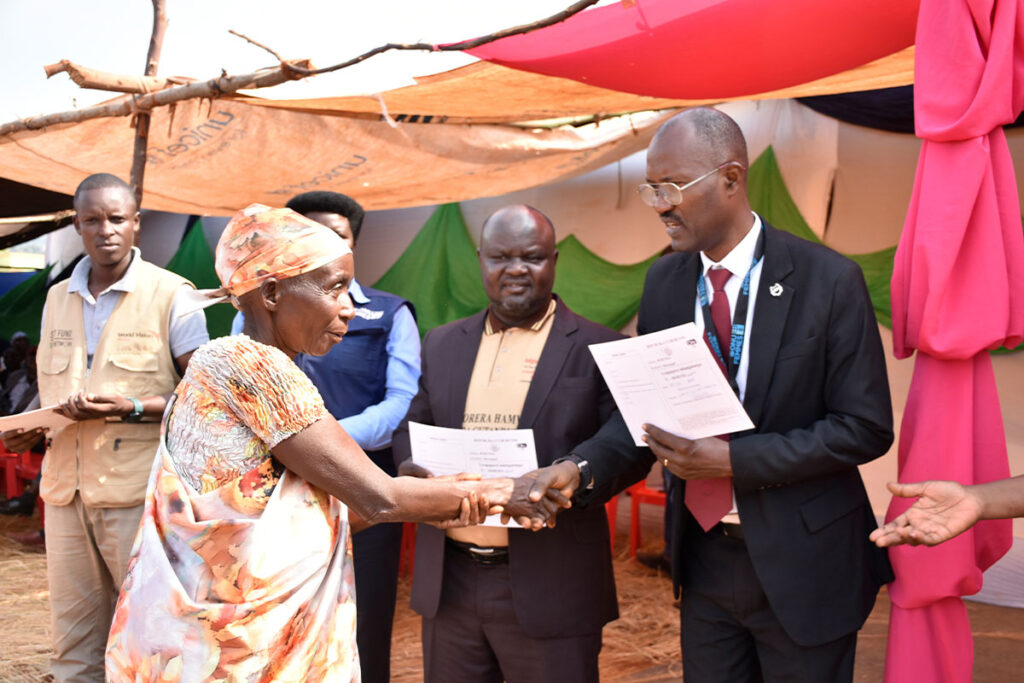
A title changes more than paperwork. Once a woman’s name is on it, relatives and community members can’t seize the land or push her off it, and nothing can be sold, mortgaged, or transferred without her written signature. It also settles what happens after her: the right to pass that land to her own children or chosen heirs, rather than leaving it to be claimed by others.
The practical outcomes are always undeniable: women gain access to loans for their businesses or to finance the next planting season. Ownership also encourages them to decide on what to plant, how to use the land, and where to reinvest profits. And that decision-making power ripples through the household: when women hold the title, a larger share of income starts to go toward food, healthcare, and school fees.
Join us in empowering more women to own land and stir growth in their communities
Reference:
- BURUNDI |UN Women Africa:https://www.snv.org/update/rooted-in-change-mwavita-s-path-to-land-and-leadership
- Rooted in Change: Mwavita’s path to land and leadership:https://www.snv.org/update/rooted-in-change-mwavita-s-path-to-land-and-leadership
- Strengthening Women’s Customary Rights to Land:https://www.idlo.int/news/highlights/strengthening-womens-customary-rights-land#